I invite you to pause for a moment and think about longevity.
Not yours, or mine, but ours. Collectively.
Will the buildings we design, engineer, build and advocate for have longevity?
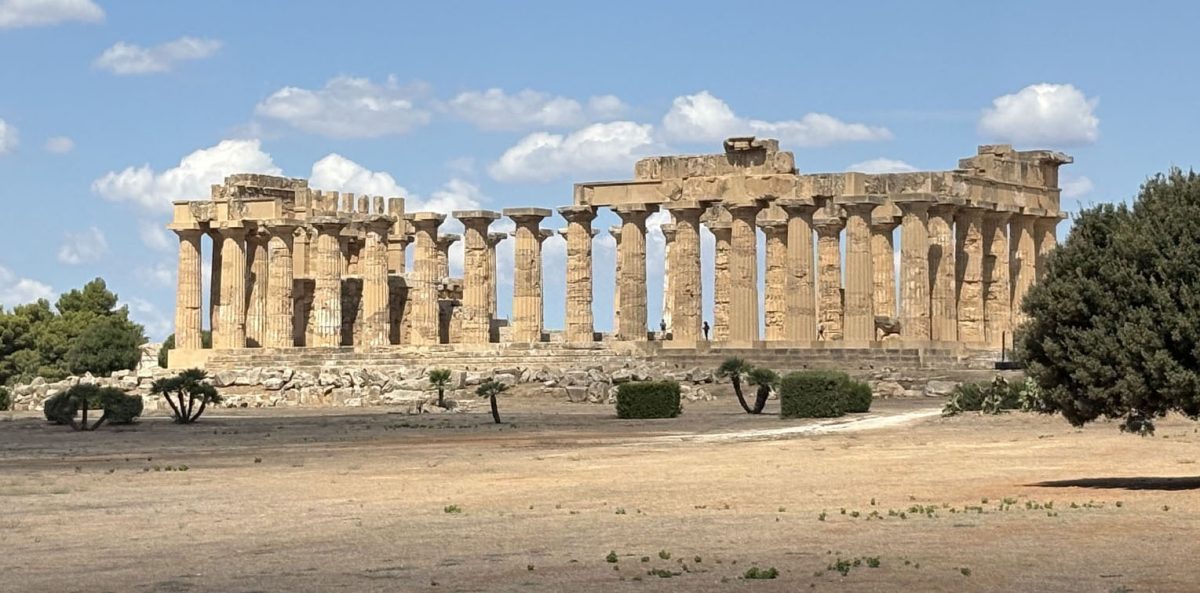
I love to vacation in September. Largely because I enjoy southern Europe — almost anything in and around the Mediterranean speaks to me. In September, it’s typically cooler, cheaper and calmer.
If you’ve spent time in that part of the world, you’ll recognize two things to be true. It gets very hot, especially in summer. And history is everywhere. It seems to pour out from the sea and the land.
This year, I spent a lot of time thinking about both.
Southern Europe has experienced extraordinary heat and devastating fires. Even Sicily in September was sweltering.
Of course, hot weather isn’t new to the Mediterranean. Buildings themselves tell us that. Shaded balconies. Shutters. Thick walls. Cross ventilation. For centuries, people have designed buildings in response to the climate around them.
But as extreme heat becomes more frequent and intense, those traditional responses aren’t always enough. Air conditioning is increasingly part of the answer.
Better-performing buildings should be the bigger one.
Because better building performance isn’t just about keeping people safe and comfortable during sweltering summer days. It should also make us think about something we don’t talk about nearly enough:
How long should a building last?
In Canada, “old” is usually measured in decades.
My own home is just over 20 years old, and increasingly I find myself in conversations where it is described as an “old house.”
Ha!
CBC carried a story in August about a house for sale in Nova Scotia. Not just an old house, but reportedly the oldest surviving wooden house in the province.
The de Gannes-Cosby House is 318 years old.
High praise to the people who built it — and to the generations of owners who have cared for it over more than three centuries.
And then you visit Selinunte.
On the southwestern coast of Sicily sits Europe’s largest archaeological park, containing the remains of a settlement established in the 7th century BC.
Suddenly, 318 years doesn’t seem quite so old.
Walking through Selinunte recalibrated my sense of building longevity.
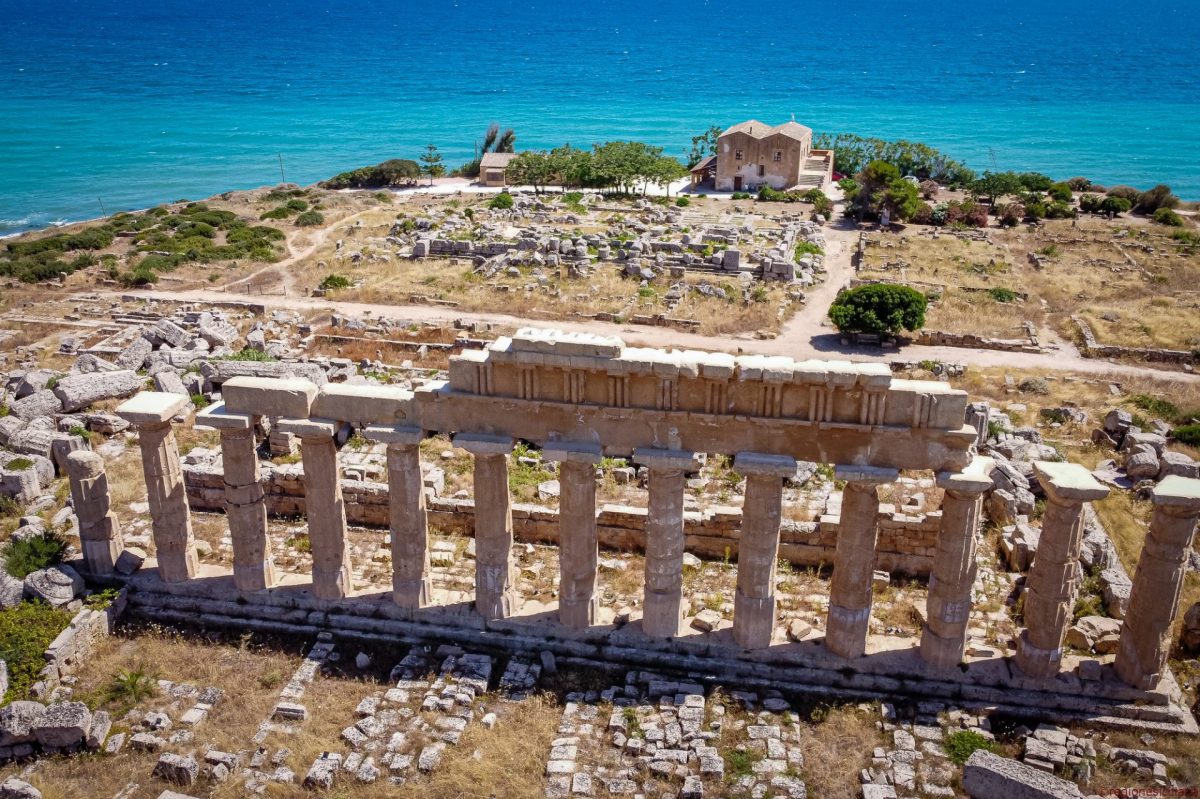
I walked along roads laid out more than 2,500 years ago. Past foundations, walls and extraordinary temples. I found myself staring at individual construction details — and then stepping back and trying to comprehend the scale of a city thought to have once been home to tens of thousands of people.
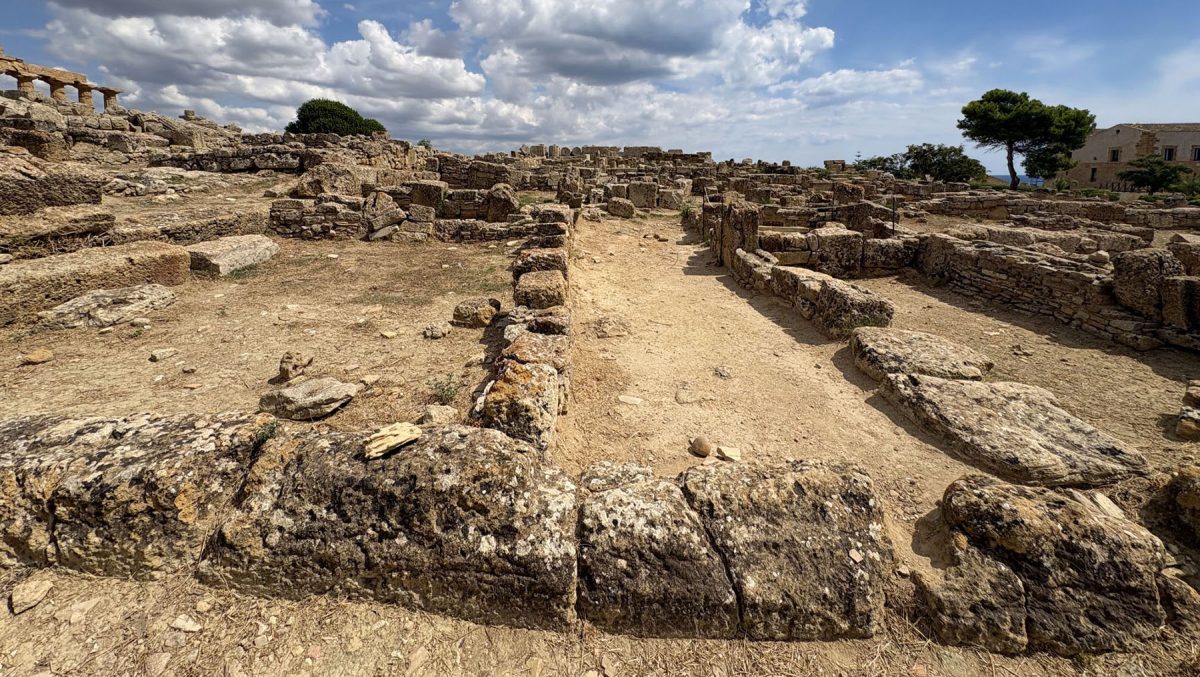
It left me thinking about something remarkably simple.
What are we building for?
Twenty years?
Fifty?
A hundred?
Perhaps this is a wistful pause. A utopian vision of bright minds agreeing that longevity matters when we turn our attention to the built environment.
That we should build not just with the present in mind, but the future.
That performance, durability and adaptability matter.
And that we recognize this responsibility both in the details of what we design and in the scale of what we imagine.
Before you spring back into the chaos, one final thought.
Passive House Canada is currently undertaking an Education Training Needs Survey. We want to hear from people across the building industry about the knowledge and training Canada needs to deliver higher-performing buildings.
That connection to longevity may not be immediately obvious.
But buildings don’t become better by accident.
They require knowledgeable designers. Engineers. Energy advisors. Builders. Tradespeople. Manufacturers. Building officials. Owners.
So, if you haven’t completed our survey, I hope you will. And if you have, please share it with peers and colleagues — including those who may never have heard of Passive House. (Yes, that still happens!)
Because if we want Canada’s next generation of buildings to perform better and last longer, we need to invest in the people who will design, build, operate and care for them.
Let’s build things worth keeping.